The first of the many Reading Challenges I signed up for this year, was completed on May 9th.
Meet the Protagonist, hosted by Litlequeen Rules, was a fun little challenge.
A person who is a mother:
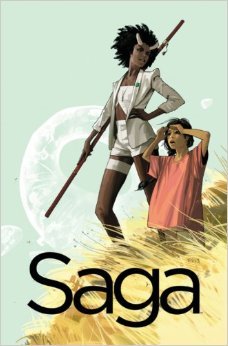
Saga, vol 3 by Brian K. Vaughan and Fiona Staples
Lost Lake by Sarah Addison Allen
A real life person written into a fictional story:
The Clockwork Scarab by Colleen Gleason
A person that changes form:
Murder of Crows by Anne Bishop
A person who is from a country different from the one you live in:
The Chocolate Temptation by Laura Florand
A person who lived before World War 1:
The Golem and the Jinni by Helene Wecker
A person who lives by a body of water:
Nokon kjem til å komme by Jon Fosse
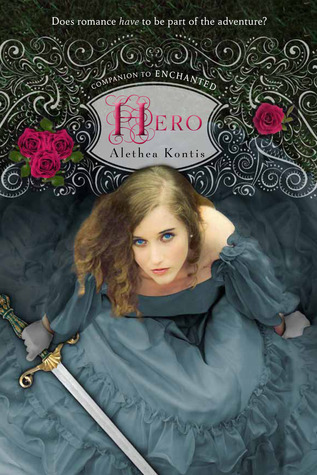
Hero by Alethea Kontis
A person younger than 18:
Svart Elfenben by Arne Svingen
The Twistrose Key by Tone Almhjell
The Girl with All the Gifts by M.R. Carey
The Secret Life of Bees by Sue Monk Kidd
The Glass Casket by McCormick Templeman
A character that is in a book series:
Archangel´s Legion by Nalini Singh
Scarlet by Marissa Meyer
The Undead Pool by Kim Harrison
Changes by Jim Butcher
This is my book blog, where I review books I read as part of Cannonball Read 18, where members compete to be the first to reach 52 reviews. We also try to get people excited about books and reading, and make money for cancer charities. As always, I will be reading and reviewing in memory of friends and family who died of cancer in the past few years. Wish me luck!
Showing posts with label Protagonist 2014. Show all posts
Tuesday, 30 December 2014
Friday, 25 April 2014
#CBR6 Book 35: "Saga, volume 3" by Brian K. Vaughan and Fiona Staples
Page count: 144 pages
Rating: 5 stars
This trade paperback volume of Saga collects issues 13-18. It's an ongoing series, and you really should be starting at the beginning. It's also the best comic book/graphic novel series I've read in probably a decade, so if you haven't read it, run to your nearest comics shop and come back when you've caught up. Also, it goes without saying that there may be spoilers here for earlier in the series.
Marko's mother has decided to join her son and his new family on their quest to find D. Oswald Heist. Meanwhile, a pair of tabloid journalists are trying to get to figure out exactly what is the story with Marko and Alana. Could two enemy combatants actually have deserted, got married and had a child? There are, however, forces who aren't all that excited about the story being published and want them to stop. The Will, Cat, Gwendolyn and the slave girl they rescued are stuck on an idyllic alien planet while waiting for their spaceship to be repaired. Gwen is impatient to catch up to their targets, but the Will seems quite content to stay on the new planet. He doesn't seem to realise that he's seeing impossible things and that listening to the wrong influences could put them all in terrible danger.
I gave the last two trade paperbacks 4.5 stars, but who am I kidding? This is absolutely solid gold entertainment and I'm not going to hold back any longer. The story has everything. Humour, action, romance, adventure, danger, a talking cat who can tell if you're lying, a ghostly babysitters, a very snarky narrator constantly teasing things yet to come. These six issues of Saga made me laugh out loud, bite my nails with tension, swear loudly, nearly cry more than once, sigh happily and squee at least once. The dialogue is snappy, the characters are great, the art is absolutely gorgeous and some of the concepts and ideas presented just blow my mind away. I keep badgering all my friends to read it, and have bought the first volumes as gifts for several, in the hopes of getting them hooked. I'm really not joking when I say that everyone should be reading this.
With this book, I have also completed my first reading challenge of the year, Meet the Protagonist.
Crossposted on Cannonball Read.
Rating: 5 stars
This trade paperback volume of Saga collects issues 13-18. It's an ongoing series, and you really should be starting at the beginning. It's also the best comic book/graphic novel series I've read in probably a decade, so if you haven't read it, run to your nearest comics shop and come back when you've caught up. Also, it goes without saying that there may be spoilers here for earlier in the series.
Marko's mother has decided to join her son and his new family on their quest to find D. Oswald Heist. Meanwhile, a pair of tabloid journalists are trying to get to figure out exactly what is the story with Marko and Alana. Could two enemy combatants actually have deserted, got married and had a child? There are, however, forces who aren't all that excited about the story being published and want them to stop. The Will, Cat, Gwendolyn and the slave girl they rescued are stuck on an idyllic alien planet while waiting for their spaceship to be repaired. Gwen is impatient to catch up to their targets, but the Will seems quite content to stay on the new planet. He doesn't seem to realise that he's seeing impossible things and that listening to the wrong influences could put them all in terrible danger.
I gave the last two trade paperbacks 4.5 stars, but who am I kidding? This is absolutely solid gold entertainment and I'm not going to hold back any longer. The story has everything. Humour, action, romance, adventure, danger, a talking cat who can tell if you're lying, a ghostly babysitters, a very snarky narrator constantly teasing things yet to come. These six issues of Saga made me laugh out loud, bite my nails with tension, swear loudly, nearly cry more than once, sigh happily and squee at least once. The dialogue is snappy, the characters are great, the art is absolutely gorgeous and some of the concepts and ideas presented just blow my mind away. I keep badgering all my friends to read it, and have bought the first volumes as gifts for several, in the hopes of getting them hooked. I'm really not joking when I say that everyone should be reading this.
With this book, I have also completed my first reading challenge of the year, Meet the Protagonist.
Crossposted on Cannonball Read.
Sunday, 13 April 2014
#CBR6 Book 31: "Changes" by Jim Butcher
Page count: 546 pages
Audio book length: 15 hrs, 28 mins
Rating: 5 stars
Spoiler warning! This is book 12 in The Dresden Files and pretty much every single thing that happens in this book plays on stuff that's been introduced in earlier books. There is NO way for me to review this book without spoiling events from earlier books, and frankly, parts of this one. This book is full of surprises, so if you haven't read the book yet, please skip the review. I would also recommend that you avoid all other reviews, and even the blurb on the back of the book until after you've read it.
So this is the book where Jim Butcher clearly decides that Harry's life, despite the many dangerous situations he's experienced and the challenges he's faced, was far too harmonious and cushy and decides to turn everything not only upside down, but really shake things up entirely. By the end of the book, there are few things I can think of that haven't been drastically changed in some or several ways.
So it turns out Harry is a father. Susan Rodriguez, his half-vampire ex-girlfriend (who first appeared in book 2, Fool Moon) got pregnant after their last encounter (in book 5, Death Masks). She's kept the existence of their daughter's identity from him, and only contacts him when the girl has been abducted from her foster family by Red Court vampires. Susan and her sidekick Martin show up on his doorstep, and while Harry is deeply hurt and shocked by her news, he is eventually forced to admit that neither he nor Susan have lives where they can raise a little girl. Maggie (named for Harry's mother) has been taken by Duchess Arianna Ortega, who wants revenge on Harry for killing her husband. As Harry and Susan frantically search for their child, they discover that the Red Court vampires, who are allegedly proposing a peace treaty with the White Council of wizards, are in fact planning to use Maggie in a powerful ritual, which will kill anyone of Harry's bloodline.
Over the course of the book, Harry not only has to come to terms with the idea of fatherhood and the knowledge that he may not be able to rescue his little girl in time, but his office is blown up by Red Court vampires (turns out they owned the whole building and has been charging him unreasonably high monthly rent) and his apartment building burns down. Luckily, he'd stashed away most of his magical artifacts in the Nevernever before the FBI came to raid the apartment, but apart from that, he's left with only the leather duster on his back. He's left literally beaten and broken and is forced to reconsider everything he'd previously been willing to do, in order to get the chance to rescue his only child.
With Butcher literally tearing down Dresden's entire life around him, it's so satisfying to see that Harry has friends and family who are willing to risk everything along with him. This is a book that starts with a bang and just keeps on getting more and more extreme. Every time I thought things couldn't get darker, Butcher turned up the dial. This book goes all the way up to 11. I kept being surprised at the twists and turns it took, and the final act reminded me a lot of the final episode of Torchwood: Children of Earth in terms of emotional punch and the way it wrung me out. I must admit that I had, sadly, had the very end of the book spoiled for me (don't actually read the back covers of future books in the series before you read them, they spoil a LOT), but after all the other stuff that happens in the book, I doubt I would have been surprised either way. In a book where so many other transformative events happen to Harry Dresden, the ending of the book was really rather inevitable. This book, more than any of the previous ones, made me realise why everyone raves so much about The Dresden Files. I suspect there is very little that can happen in future books that would keep me from following this series until the final book now. Brilliantly done, Mr. Butcher.
Crossposted on Cannonball Read.
Audio book length: 15 hrs, 28 mins
Rating: 5 stars
Spoiler warning! This is book 12 in The Dresden Files and pretty much every single thing that happens in this book plays on stuff that's been introduced in earlier books. There is NO way for me to review this book without spoiling events from earlier books, and frankly, parts of this one. This book is full of surprises, so if you haven't read the book yet, please skip the review. I would also recommend that you avoid all other reviews, and even the blurb on the back of the book until after you've read it.
So this is the book where Jim Butcher clearly decides that Harry's life, despite the many dangerous situations he's experienced and the challenges he's faced, was far too harmonious and cushy and decides to turn everything not only upside down, but really shake things up entirely. By the end of the book, there are few things I can think of that haven't been drastically changed in some or several ways.
So it turns out Harry is a father. Susan Rodriguez, his half-vampire ex-girlfriend (who first appeared in book 2, Fool Moon) got pregnant after their last encounter (in book 5, Death Masks). She's kept the existence of their daughter's identity from him, and only contacts him when the girl has been abducted from her foster family by Red Court vampires. Susan and her sidekick Martin show up on his doorstep, and while Harry is deeply hurt and shocked by her news, he is eventually forced to admit that neither he nor Susan have lives where they can raise a little girl. Maggie (named for Harry's mother) has been taken by Duchess Arianna Ortega, who wants revenge on Harry for killing her husband. As Harry and Susan frantically search for their child, they discover that the Red Court vampires, who are allegedly proposing a peace treaty with the White Council of wizards, are in fact planning to use Maggie in a powerful ritual, which will kill anyone of Harry's bloodline.
Over the course of the book, Harry not only has to come to terms with the idea of fatherhood and the knowledge that he may not be able to rescue his little girl in time, but his office is blown up by Red Court vampires (turns out they owned the whole building and has been charging him unreasonably high monthly rent) and his apartment building burns down. Luckily, he'd stashed away most of his magical artifacts in the Nevernever before the FBI came to raid the apartment, but apart from that, he's left with only the leather duster on his back. He's left literally beaten and broken and is forced to reconsider everything he'd previously been willing to do, in order to get the chance to rescue his only child.
With Butcher literally tearing down Dresden's entire life around him, it's so satisfying to see that Harry has friends and family who are willing to risk everything along with him. This is a book that starts with a bang and just keeps on getting more and more extreme. Every time I thought things couldn't get darker, Butcher turned up the dial. This book goes all the way up to 11. I kept being surprised at the twists and turns it took, and the final act reminded me a lot of the final episode of Torchwood: Children of Earth in terms of emotional punch and the way it wrung me out. I must admit that I had, sadly, had the very end of the book spoiled for me (don't actually read the back covers of future books in the series before you read them, they spoil a LOT), but after all the other stuff that happens in the book, I doubt I would have been surprised either way. In a book where so many other transformative events happen to Harry Dresden, the ending of the book was really rather inevitable. This book, more than any of the previous ones, made me realise why everyone raves so much about The Dresden Files. I suspect there is very little that can happen in future books that would keep me from following this series until the final book now. Brilliantly done, Mr. Butcher.
Crossposted on Cannonball Read.
#CBR6 Book 30: "The Glass Casket" by McCormick Templeman
Page count: 352 pages
Rating: 4 stars
Rowan Rose lives in the little village of Nag's End with her father. Like her father, an experienced scholar, Rowan enjoys assisting him with translations and is proud of her achievements. Five soldiers ride through the village on their way up the mountain, and some days later, are found horribly killed by the men of the village. In a journal left by one of the soldiers are the words: "It's starting.". The elders of Nag's End declare the deaths the result of an animal attack, but not everyone is convinced. Among them is Rowan's best friend, the innkeeper's son Tom. He's clearly affected by the dead men, and reluctant to tell her about what they found. He's also clearly smitten with the new girl in the village, the distractingly beautiful Fiona Eira, who Rowan's father has forbidden her to ever speak to. Rowan is sad to see her best friend drifting away from her, but also wants nothing more than for him to be happy.
Soon it's obvious that whatever killed the soldiers in the mountain was not a wild animal, and the death toll in the village keeps going up. Rowan keeps having vivid nightmares that seem connected with the lurking horror spreading in the village. Tom is acting more and more strangely and together with his brother Jude, Rowan tries to investigate the cause.
The Glass Casket contains influences from a number of fairy tales, and much of it feels like it could have been written by the Brothers Grimm. The atmosphere of the distant little village in the mountains of some central European Medieaval kingdom is superstitious and oppressive and it's clear that unorthodox thinking and progressive ideas are not particularly welcomed. Strangers are distrusted, as evidenced by the arrival of Fiona Eira and her step-parents. Decisions that go against the wishes of the elders are practically unheard of. A woman has little to no independence once she is married, she is her husband's helpmeet and aids him and his family. This is one of the reasons Rowan doesn't really want to get married, she loves her translation work and dreams of travelling to the capital, where her father once lived.
Rowan has known Tom all her life, and while she knows his mother would be delighted if they were to marry, she loves him only as a friend. His older brother Jude has always unnerved her. She is slow to accept his help, but once tragedy strikes in the village, Tom gets more and more distant. He seems to stay out in the woods all night and Rowan begins to fear that he is somehow connected with the tragic deaths that have struck the village. Her father has always kept himself and his daughter apart from a lot of the traditional beliefs of the other villagers, and as the increasingly more terrible events unfold, Rowan begins to discover that there are reasons for this.
This is not a perfect book, by any means, but it is a very creepy, at times surprisingly gory young adult book book. I thought the loyalty and affection between Tom and Rowan was great and I appreciated how Rowan wanted to break out of the more traditional feminine roles of her society, but not in a way that felt anachronistic or wrong for the time period the book is set in. There are so many different things that unnerved me about this book and I have to admit to staying up far too late into the night just to finish it. The various twists that are introduced towards the end of the book didn't all work that well, in my opinion, but on the whole this was a very satisfying and scary read that I suspect a lot of teen readers will adore.
Crossposted on Cannonball Read.
Rating: 4 stars
Rowan Rose lives in the little village of Nag's End with her father. Like her father, an experienced scholar, Rowan enjoys assisting him with translations and is proud of her achievements. Five soldiers ride through the village on their way up the mountain, and some days later, are found horribly killed by the men of the village. In a journal left by one of the soldiers are the words: "It's starting.". The elders of Nag's End declare the deaths the result of an animal attack, but not everyone is convinced. Among them is Rowan's best friend, the innkeeper's son Tom. He's clearly affected by the dead men, and reluctant to tell her about what they found. He's also clearly smitten with the new girl in the village, the distractingly beautiful Fiona Eira, who Rowan's father has forbidden her to ever speak to. Rowan is sad to see her best friend drifting away from her, but also wants nothing more than for him to be happy.
Soon it's obvious that whatever killed the soldiers in the mountain was not a wild animal, and the death toll in the village keeps going up. Rowan keeps having vivid nightmares that seem connected with the lurking horror spreading in the village. Tom is acting more and more strangely and together with his brother Jude, Rowan tries to investigate the cause.
The Glass Casket contains influences from a number of fairy tales, and much of it feels like it could have been written by the Brothers Grimm. The atmosphere of the distant little village in the mountains of some central European Medieaval kingdom is superstitious and oppressive and it's clear that unorthodox thinking and progressive ideas are not particularly welcomed. Strangers are distrusted, as evidenced by the arrival of Fiona Eira and her step-parents. Decisions that go against the wishes of the elders are practically unheard of. A woman has little to no independence once she is married, she is her husband's helpmeet and aids him and his family. This is one of the reasons Rowan doesn't really want to get married, she loves her translation work and dreams of travelling to the capital, where her father once lived.
Rowan has known Tom all her life, and while she knows his mother would be delighted if they were to marry, she loves him only as a friend. His older brother Jude has always unnerved her. She is slow to accept his help, but once tragedy strikes in the village, Tom gets more and more distant. He seems to stay out in the woods all night and Rowan begins to fear that he is somehow connected with the tragic deaths that have struck the village. Her father has always kept himself and his daughter apart from a lot of the traditional beliefs of the other villagers, and as the increasingly more terrible events unfold, Rowan begins to discover that there are reasons for this.
This is not a perfect book, by any means, but it is a very creepy, at times surprisingly gory young adult book book. I thought the loyalty and affection between Tom and Rowan was great and I appreciated how Rowan wanted to break out of the more traditional feminine roles of her society, but not in a way that felt anachronistic or wrong for the time period the book is set in. There are so many different things that unnerved me about this book and I have to admit to staying up far too late into the night just to finish it. The various twists that are introduced towards the end of the book didn't all work that well, in my opinion, but on the whole this was a very satisfying and scary read that I suspect a lot of teen readers will adore.
Crossposted on Cannonball Read.
Labels:
#CBR6,
4 stars,
Book Bingo 2014,
fairy tale,
fantasy,
Hist Fic 2014,
horror,
Motif 2014,
mystery,
Protagonist 2014,
romantic,
young adult
Thursday, 27 March 2014
#CBR6 Book 24: "Hero" by Alethea Kontis
Page count: 304 pages
Rating: 4 stars
Saturday Woodcutter believes she is the only one of her many siblings without any magic, until the day when she throws a mirror out of the window in a rage, and conjures an ocean in the backyard. Because one of her brothers has run away and Saturday believes her ocean may have drowned him, she grabs her trusty axe (which has decided to change shape into a sword for the time being) and sets sail on her sister Thursday's pirate ship in order to try to locate him again. She's abducted by a giant bird and taken to an icy cave, towards the top of the highest mountain in the world. The blind witch there isn't actually all that skilled at magic and was attempting to kidnap Saturday's eldest brother, the adventurous Jack Woodcutter, who's the man who stole the witch's eyes in the first place.
Saturday is advised to keep silent about her true identity by Peregrine, a cross-dressing young man also trapped at the top of the mountain. The witch believes him to be her daughter, after the foolish young noble accepted a wish from what he thought was a kindly fairy. The wish was in fact a curse, and it allowed the witch's daughter to escape her mountain home, forcing Peregrine to take her place instead. He's lost track of the years he's spent there, trying to foil the witch's many plots. Peregrine dreams of breaking free of the curse and going back to his betrothed, who he believes he's seen in visions through much of his time in captivity. Imagine his surprise when he realises that the fearless warrior woman he's seen in visions and dreams is in fact Saturday.
Saturday, in turn, doesn't see why romance needs to have any part in her adventure, although she can't deny that she likes kissing Peregrine. To rescue him, and escape the mountain, it looks like she's going to have to kill the witch, who's dangerously close to opening a portal to a hell dimension. Of course, killing the witch may wake the slumbering dragon on the mountain top and kill them all. What's an adventurous young lady to do? It's not easy being a hero.
This is a sequel to Enchanted, where we first meet the Woodcutter family, and Saturday's youngest sister Sunday falls in love with a frog prince. Alethea Kontis doesn't really retell just the one fairy tale, instead mixing all sorts of elements from fairy stories, mythology, folk lore and adventure stories in a blender and throwing the results together into exciting young adult fantasy stories. While Sunday's story was sweet, I think I liked Saturday's story even more, as the gender reversal of the characters in this book really appealed to me.
Saturday is tall, and not particularly feminine, and comes from a family blessed with a number of magical gifts, without believing herself to have any. She's got an enchanted axe, and has been working with her woodcutter father and brother in the woods for much of her life. With a brother whose legendary for his quests and adventures, several sisters married to royalty and one who's off on the high seas being a pirate, Saturday never really imagined she'd get to leave on an exciting journey on her own. She's pragmatic and sensible, and not prone to daydreaming. She certainly never expected to find a man in a skirt, posing as a witch's assistant on the top of a mountain, confessing that he's dreamed about her since very likely decades before she was actually born. That's going to flummox the best of people.
As Saturday discovers on her adventure, you don't always choose to be a hero, sometimes circumstances just force you into it. She's a great character, as is Peregrine, who is a wonderful example of a beta hero, not at all concerned with the idea that Saturday is physically stronger or a more skilled fighter than he is. The curse the witch's daughter cast on him keeps him from aging while he's trapped, and gave him a much more feminine appearance than he was born with. He's learned to adapt to his long hair (which grows back if he tries to cut it) and being forced to dress in skirts, but has hidden every mirror he can find and tries to avoid reflective surfaces. His captivity is a fairly lonely one, especially after Jack Woodcutter managed to escape, having stolen the witch's eyes. His only friend is Betwixt, a chimera also captured by the witch, who's forced to change shape every time the witch does magic, unable to choose his own shape until the witch dies. The two make a wry and humorous odd couple, keeping each other company and trying to foil the witch as best they can.
I applaud Alethea Kontis' imagination and creativity and hope she keeps publishing at least a book a year. There are clearly more books coming in this series, and I hope that while sequels possibly also focus on other members of the Woodcutter family, this is not the the readers see of Saturday, Peregrine and Betwixt.
Crossposted on Cannonball Read.
Rating: 4 stars
Saturday Woodcutter believes she is the only one of her many siblings without any magic, until the day when she throws a mirror out of the window in a rage, and conjures an ocean in the backyard. Because one of her brothers has run away and Saturday believes her ocean may have drowned him, she grabs her trusty axe (which has decided to change shape into a sword for the time being) and sets sail on her sister Thursday's pirate ship in order to try to locate him again. She's abducted by a giant bird and taken to an icy cave, towards the top of the highest mountain in the world. The blind witch there isn't actually all that skilled at magic and was attempting to kidnap Saturday's eldest brother, the adventurous Jack Woodcutter, who's the man who stole the witch's eyes in the first place.
Saturday is advised to keep silent about her true identity by Peregrine, a cross-dressing young man also trapped at the top of the mountain. The witch believes him to be her daughter, after the foolish young noble accepted a wish from what he thought was a kindly fairy. The wish was in fact a curse, and it allowed the witch's daughter to escape her mountain home, forcing Peregrine to take her place instead. He's lost track of the years he's spent there, trying to foil the witch's many plots. Peregrine dreams of breaking free of the curse and going back to his betrothed, who he believes he's seen in visions through much of his time in captivity. Imagine his surprise when he realises that the fearless warrior woman he's seen in visions and dreams is in fact Saturday.
Saturday, in turn, doesn't see why romance needs to have any part in her adventure, although she can't deny that she likes kissing Peregrine. To rescue him, and escape the mountain, it looks like she's going to have to kill the witch, who's dangerously close to opening a portal to a hell dimension. Of course, killing the witch may wake the slumbering dragon on the mountain top and kill them all. What's an adventurous young lady to do? It's not easy being a hero.
This is a sequel to Enchanted, where we first meet the Woodcutter family, and Saturday's youngest sister Sunday falls in love with a frog prince. Alethea Kontis doesn't really retell just the one fairy tale, instead mixing all sorts of elements from fairy stories, mythology, folk lore and adventure stories in a blender and throwing the results together into exciting young adult fantasy stories. While Sunday's story was sweet, I think I liked Saturday's story even more, as the gender reversal of the characters in this book really appealed to me.
Saturday is tall, and not particularly feminine, and comes from a family blessed with a number of magical gifts, without believing herself to have any. She's got an enchanted axe, and has been working with her woodcutter father and brother in the woods for much of her life. With a brother whose legendary for his quests and adventures, several sisters married to royalty and one who's off on the high seas being a pirate, Saturday never really imagined she'd get to leave on an exciting journey on her own. She's pragmatic and sensible, and not prone to daydreaming. She certainly never expected to find a man in a skirt, posing as a witch's assistant on the top of a mountain, confessing that he's dreamed about her since very likely decades before she was actually born. That's going to flummox the best of people.
As Saturday discovers on her adventure, you don't always choose to be a hero, sometimes circumstances just force you into it. She's a great character, as is Peregrine, who is a wonderful example of a beta hero, not at all concerned with the idea that Saturday is physically stronger or a more skilled fighter than he is. The curse the witch's daughter cast on him keeps him from aging while he's trapped, and gave him a much more feminine appearance than he was born with. He's learned to adapt to his long hair (which grows back if he tries to cut it) and being forced to dress in skirts, but has hidden every mirror he can find and tries to avoid reflective surfaces. His captivity is a fairly lonely one, especially after Jack Woodcutter managed to escape, having stolen the witch's eyes. His only friend is Betwixt, a chimera also captured by the witch, who's forced to change shape every time the witch does magic, unable to choose his own shape until the witch dies. The two make a wry and humorous odd couple, keeping each other company and trying to foil the witch as best they can.
I applaud Alethea Kontis' imagination and creativity and hope she keeps publishing at least a book a year. There are clearly more books coming in this series, and I hope that while sequels possibly also focus on other members of the Woodcutter family, this is not the the readers see of Saturday, Peregrine and Betwixt.
Crossposted on Cannonball Read.
Sunday, 23 March 2014
#CBR6 Book 21: "Murder of Crows" by Anne Bishop
Page count: 448 pages
Rating: 4.5 stars
This is the second book in the series of The Others. While you get enough information to read it without having read the first one, you should really do yourself a favour and start with Written in Red. It's the best paranormal/urban fantasy book I read last year, and deserves to be read by as many people as possible. This review will also contain minor spoilers for the first one, so you may want to come back and read it once you've finished book 1.
Having survived the assault on the Lakeside Courtyard, and saved the lives of many of the Others living there, Meg Corbyn is now even more beloved of the creatures who live there. They are fiercely protective of her, none more so than the leader of the supernatural creatures, Simon Wolfgard. Their changing relationship is confusing both Meg and Simon, although most of the other inhabitants of the courtyard find it amusing to watch them try to figure each other out. The Lakeside Others and their Meg aren't out of danger yet, however.
Two new drugs are being distributed in towns across the country, with the intent of harming the Others, and further research seems to suggest that they are both manufactured from the blood of cassandra sangues, blood prophets like Meg. There are attacks against shapeshifting Crows in several towns, and Meg keeps having visions about worse to come. The sinister Controller, who used to hold Meg captive wants her either returned to him, or eliminated entirely, to prevent her visions from aiding the Others in any way. The other blood prophets around the country, all captive and exploited for their prophetic ability, seem to see chaos and destruction as a result of the increased hostility from humans towards the supernatural creatures. The Others of Lakeside realise that unscrupulous humans cannot be allowed to control and take advantage of these special young women any longer, and steps must be taken to liberate them.
As I mentioned in my spoiler warning at the top of the review, Written in Red was by far the best paranormal fantasy I read in 2013 and to say that I was excited to read the sequel is an understatement. I can't quite put my finger on why I didn't love this as much as the first one in the series, but for reasons that are too vague for me to be able to properly articulate (real helpful, I know), I don't feel like I can rate the sequel a full five stars. That doesn't mean that Murder of Crows isn't a great book, and I suspect it will be in the top three paranormal books I read this year, depending on how well other favourite authors of mine, like Ilona Andrews and Seanan McGuire, deliver on their next books, coming out later this year.
The very interesting dynamic with the supernatural predators of the world being by far the strongest majority in Bishop's alternate version of North America continues to fascinate me. Making the reader sympathise and side with dangerous, fairly ruthless shapeshifters, vampires and elementals against the humans is a wonderful twist. Not all the humans are bad, of course, there is far more nuance and complexity here. Most of the police officers in Lakeside are willing to go above and beyond the call of duty to keep the peace with the Others, if nothing because they have seen firsthand the devastation that the elementals and creatures like Tess can wreak if the humans keep upping their hostilities and attacks on supernaturals in other parts of Thaisia. While the first book was mainly confined to the Lakeside courtyard and the adjoining town, this book lets the reader get glimpses of the wider world, and the increasing tensions between the humans and the supernatural creatures. It's also obvious that most humans are unaware of that the Others don't just consist of shapeshifters and vampires, but also pretty much all the elemental forces you can imagine, and therefore have no idea what peril they are courting by provoking a war with them.
My favourite parts of these books are probably the smaller, quieter moments of the books with Meg learning to fit into the wider world, making friends with human women and Others alike, or trying to figure out why it's fine for Simon to share her bed as a wolf, but scary and unnerving to her when changes into his human form. There is clearly a romance building between the two, but it's a very slow burning one, with the relationship changing in small increments. Simon is confused and somewhat troubled about his attraction to a human, while Meg, having lived locked up and sheltered for most of her life, abused by her handlers, is having trouble even understanding why being close to Simon's human shape is more difficult to her than his wolf shape. She has so many new things to experience and become accustomed to, attraction just confounds her further.
I haven't been able to find out from Anne Bishop's website or other places online how many books she's planned for this series, whether it's a trilogy or if she has something more elaborate planned. All I know is that I'm completely hooked, and will be pre-ordering the next one as soon as it becomes available.
Crossposted on Cannonball Read.
Rating: 4.5 stars
This is the second book in the series of The Others. While you get enough information to read it without having read the first one, you should really do yourself a favour and start with Written in Red. It's the best paranormal/urban fantasy book I read last year, and deserves to be read by as many people as possible. This review will also contain minor spoilers for the first one, so you may want to come back and read it once you've finished book 1.
Having survived the assault on the Lakeside Courtyard, and saved the lives of many of the Others living there, Meg Corbyn is now even more beloved of the creatures who live there. They are fiercely protective of her, none more so than the leader of the supernatural creatures, Simon Wolfgard. Their changing relationship is confusing both Meg and Simon, although most of the other inhabitants of the courtyard find it amusing to watch them try to figure each other out. The Lakeside Others and their Meg aren't out of danger yet, however.
Two new drugs are being distributed in towns across the country, with the intent of harming the Others, and further research seems to suggest that they are both manufactured from the blood of cassandra sangues, blood prophets like Meg. There are attacks against shapeshifting Crows in several towns, and Meg keeps having visions about worse to come. The sinister Controller, who used to hold Meg captive wants her either returned to him, or eliminated entirely, to prevent her visions from aiding the Others in any way. The other blood prophets around the country, all captive and exploited for their prophetic ability, seem to see chaos and destruction as a result of the increased hostility from humans towards the supernatural creatures. The Others of Lakeside realise that unscrupulous humans cannot be allowed to control and take advantage of these special young women any longer, and steps must be taken to liberate them.
As I mentioned in my spoiler warning at the top of the review, Written in Red was by far the best paranormal fantasy I read in 2013 and to say that I was excited to read the sequel is an understatement. I can't quite put my finger on why I didn't love this as much as the first one in the series, but for reasons that are too vague for me to be able to properly articulate (real helpful, I know), I don't feel like I can rate the sequel a full five stars. That doesn't mean that Murder of Crows isn't a great book, and I suspect it will be in the top three paranormal books I read this year, depending on how well other favourite authors of mine, like Ilona Andrews and Seanan McGuire, deliver on their next books, coming out later this year.
The very interesting dynamic with the supernatural predators of the world being by far the strongest majority in Bishop's alternate version of North America continues to fascinate me. Making the reader sympathise and side with dangerous, fairly ruthless shapeshifters, vampires and elementals against the humans is a wonderful twist. Not all the humans are bad, of course, there is far more nuance and complexity here. Most of the police officers in Lakeside are willing to go above and beyond the call of duty to keep the peace with the Others, if nothing because they have seen firsthand the devastation that the elementals and creatures like Tess can wreak if the humans keep upping their hostilities and attacks on supernaturals in other parts of Thaisia. While the first book was mainly confined to the Lakeside courtyard and the adjoining town, this book lets the reader get glimpses of the wider world, and the increasing tensions between the humans and the supernatural creatures. It's also obvious that most humans are unaware of that the Others don't just consist of shapeshifters and vampires, but also pretty much all the elemental forces you can imagine, and therefore have no idea what peril they are courting by provoking a war with them.
My favourite parts of these books are probably the smaller, quieter moments of the books with Meg learning to fit into the wider world, making friends with human women and Others alike, or trying to figure out why it's fine for Simon to share her bed as a wolf, but scary and unnerving to her when changes into his human form. There is clearly a romance building between the two, but it's a very slow burning one, with the relationship changing in small increments. Simon is confused and somewhat troubled about his attraction to a human, while Meg, having lived locked up and sheltered for most of her life, abused by her handlers, is having trouble even understanding why being close to Simon's human shape is more difficult to her than his wolf shape. She has so many new things to experience and become accustomed to, attraction just confounds her further.
I haven't been able to find out from Anne Bishop's website or other places online how many books she's planned for this series, whether it's a trilogy or if she has something more elaborate planned. All I know is that I'm completely hooked, and will be pre-ordering the next one as soon as it becomes available.
Crossposted on Cannonball Read.
Saturday, 1 March 2014
#CBR6 Book 19: "The Undead Pool" by Kim Harrison
Page count: 512 pages
Rating: 4 stars
This book is book 12 and the penultimate in The Hollows series, with several story lines that have been building throughout the series. It's absolutely NOT the place to start. If you haven't read these, start with Dead Witch Walking. Frankly, if you don't know the series, you'd probably be best just skipping this review.
Rachel is working security for Trent while Quen is on the West Coast. Despite her many former misgivings about working for and with the billionaire, she's been enjoying herself, possibly a bit too much. She's keeps fighting her increasing attraction to Trent, he's engaged to someone else, and would risk losing everything if he broke the alliance off. When a spell badly misfires while they're out on the golf course, Rachel gets worried that there is something wrong with her magic, or that her ley line is badly affected again. It turns out that her exploding the golf ball headed for Trent's head is just one in a long series of magic mishaps all around Cincinatti. Whatever is making the magic react unexpectedly and dangerously, is also affecting the vampire masters around the city and chaos is starting to erupt.
Having investigated, it appears Rachel's ley line is indeed involved, and somehow leaking wild magic, the magic normally only controlled by the elves. It also appears the wild magic is being syphoned off by rogue vampires, in some sort of conspiracy to kill off all the undead vampires in the city. There could be a war brewing between the vampires and the elves, and Rachel and her friends need to stop it.
The last few books of Harrison's Hollows series have focused more on Rachel accepting her identity as the only day walking demon and realising that being a demon doesn't mean she has to be evil or damned. The previous book, Ever After, featured Al, Newt and the other demons quite prominently. In this book, they take more of a back seat, with vampires, elves and werewolves taking centre stage. With the undead vampire masters asleep, their living vampire minions start exploiting their sudden freedom and there is a rogue group calling themselves Free Vampires want to kill off all the old undead masters. They've figured out a way to use wild magic to their advantage, and as wild magic is the kind controlled by the elves. The fact that Trent hasn't heard anything shows how much his recent dealings with Rachel have put him out of the confidences of the power factions among his own people.
It was nice to see supporting characters like Ivy and David featuring more prominently again, as well as Captain Edden. I also liked finding out more about the elven hierarchy and religion, but the best part of the book to me is, without a doubt, the changing relationship between Rachel and Trent. Trenton Aloysious Kalamack (I love the middle names Harrison gives her characters) has come a long way from the ruthless and unscrupulous villain who kept Rachel trapped in a cage (she was a mink at the time) in the first book. He's always been an interesting character, prone to steal every scene he's in, this series has been just as much about Trent redeeming himself, as it's been about Rachel growing up, discovering who she really is and how her unique heritage makes her so important to several of the supernatural races.
Over the course of the previous eleven books, Rachel's had several love interests, but her chemistry with Trent, even when they were bitter enemies, has always been undeniable. Yet it wasn't until they were forced to spend three days together on a road trip in Pale Demon that it was obvious that the two were perfect for each other. Yet it's quite clear that a lot of sacrifices will have to be made for them to have a chance together.
By the time Charlaine Harris got to her book 12, I was desperately ready for her to finish the series, and pretty much just stuck with it to see how it would end. Harrison has had some ups and downs in her series too, but generally, I've always at least enjoyed the books, and at best, absolutely loved them. My annual visit to the Hollows, hanging out with Rachel, Jenks, Ivy and Trent is something I look forward to. I'm sad that there is only going to be one more book until these characters hopefully all survive and get their happy endings (Harrison has in several interviews promised HEAs for all those who are alive at the end, making me worried about which of them who aren't going to make it through).
Crossposted on Cannonball Read.
Rating: 4 stars
This book is book 12 and the penultimate in The Hollows series, with several story lines that have been building throughout the series. It's absolutely NOT the place to start. If you haven't read these, start with Dead Witch Walking. Frankly, if you don't know the series, you'd probably be best just skipping this review.
Rachel is working security for Trent while Quen is on the West Coast. Despite her many former misgivings about working for and with the billionaire, she's been enjoying herself, possibly a bit too much. She's keeps fighting her increasing attraction to Trent, he's engaged to someone else, and would risk losing everything if he broke the alliance off. When a spell badly misfires while they're out on the golf course, Rachel gets worried that there is something wrong with her magic, or that her ley line is badly affected again. It turns out that her exploding the golf ball headed for Trent's head is just one in a long series of magic mishaps all around Cincinatti. Whatever is making the magic react unexpectedly and dangerously, is also affecting the vampire masters around the city and chaos is starting to erupt.
Having investigated, it appears Rachel's ley line is indeed involved, and somehow leaking wild magic, the magic normally only controlled by the elves. It also appears the wild magic is being syphoned off by rogue vampires, in some sort of conspiracy to kill off all the undead vampires in the city. There could be a war brewing between the vampires and the elves, and Rachel and her friends need to stop it.
The last few books of Harrison's Hollows series have focused more on Rachel accepting her identity as the only day walking demon and realising that being a demon doesn't mean she has to be evil or damned. The previous book, Ever After, featured Al, Newt and the other demons quite prominently. In this book, they take more of a back seat, with vampires, elves and werewolves taking centre stage. With the undead vampire masters asleep, their living vampire minions start exploiting their sudden freedom and there is a rogue group calling themselves Free Vampires want to kill off all the old undead masters. They've figured out a way to use wild magic to their advantage, and as wild magic is the kind controlled by the elves. The fact that Trent hasn't heard anything shows how much his recent dealings with Rachel have put him out of the confidences of the power factions among his own people.
It was nice to see supporting characters like Ivy and David featuring more prominently again, as well as Captain Edden. I also liked finding out more about the elven hierarchy and religion, but the best part of the book to me is, without a doubt, the changing relationship between Rachel and Trent. Trenton Aloysious Kalamack (I love the middle names Harrison gives her characters) has come a long way from the ruthless and unscrupulous villain who kept Rachel trapped in a cage (she was a mink at the time) in the first book. He's always been an interesting character, prone to steal every scene he's in, this series has been just as much about Trent redeeming himself, as it's been about Rachel growing up, discovering who she really is and how her unique heritage makes her so important to several of the supernatural races.
Over the course of the previous eleven books, Rachel's had several love interests, but her chemistry with Trent, even when they were bitter enemies, has always been undeniable. Yet it wasn't until they were forced to spend three days together on a road trip in Pale Demon that it was obvious that the two were perfect for each other. Yet it's quite clear that a lot of sacrifices will have to be made for them to have a chance together.
By the time Charlaine Harris got to her book 12, I was desperately ready for her to finish the series, and pretty much just stuck with it to see how it would end. Harrison has had some ups and downs in her series too, but generally, I've always at least enjoyed the books, and at best, absolutely loved them. My annual visit to the Hollows, hanging out with Rachel, Jenks, Ivy and Trent is something I look forward to. I'm sad that there is only going to be one more book until these characters hopefully all survive and get their happy endings (Harrison has in several interviews promised HEAs for all those who are alive at the end, making me worried about which of them who aren't going to make it through).
Crossposted on Cannonball Read.
Friday, 28 February 2014
#CBR6 Book 17: "Nokon kjem til å komme" (Someone is going to come) by Jon Fosse
Page count: 80 pages
Rating: 1 star
A couple, he somewhere in middle age, around his fifties (according to the stage directions), she in her thirties arrive at a house by the ocean, in a remote and lonely location. Here they are finally going to be alone, alone together, away from everyone and everything. But she is worried. "Someone is going to come" she laments. Their perfect solitude will be shattered by outsiders, she's convinced of this. He tries to reassure her that no one will come, they will just be alone, together.
Of course, someone does come. Their closest neighbour, the young man in his twenties who sold them the house, is clearly desperate for company, what with living in such a lonely and remote location. The man hides as he approaches, and watches the neighbour's somewhat needy conversation with the woman. He is racked with jealousy. Perhaps she wasn't lamenting earlier? Perhaps she wanted someone to come? Maybe she'd rather talk to the young man than be alone with him in their new home?
As I mentioned in last year's review of The Son, a different Jon Fosse play that I had to read for my course back then, I'm not a fan of Modernist literature. As Fosse is one of the chief Neo-Modernist playwrights writing today, it was never going to be a good fit between us. I like the things I read to have purpose of some kind. I like characters to be complex and develop and my favourite stories are strongly character driven narratives, preferably with a bit of romance, action and adventure thrown in. This play is not very long, and there is little character or plot development to speak of. It's easy to read, because the same damn three lines keep being repeated ad nauseum throughout. "We will be alone", "Alone together, in our love", "Someone is going to come".
There are only the three characters in the entire play, and even the sadsack neighbour only appears in two scenes. It becomes painfully obvious as soon as he shows up that whatever relationship the couple are planning on having alone in by the sea is doomed to failure, if the man is going to fall to pieces with jealousy as soon as the woman so much as looks at another man. Perhaps buying a house in the middle of nowhere wasn't such a good idea?
Among the students of my course, there were also a lot of different interpretations of the tone of the play, and how the neighbour was perceived (which is one of the advantages of such a minimalist play with hardly any stage directions). Myself and several others thought he was a threatening presence, and that he acts aggressively pushy towards the poor woman, who also has to contend with an insanely jealous partner, who falls into a massive sulk and forces her to do any further communication with the neighbour, even when she appears very unwilling to do so. Quite a few felt that she'd do well to get the heck away from said lonely location as soon as possible, lest she be either murdered by her jealous partner, or assaulted by the desperate and lonely neighbour. Of course, if such a thing were to happen, there would actually mean something happened, which it doesn't. There's conversations outside the house, and inside the house, and nothing really seems to happen or come to a head or be resolved in any way.
Having now read two Fosse plays, I desperately hope I won't have to read anymore. I find him tedious in the extreme, a waste of time (although because his plays are so short, at least it's a blessedly short amount of my time being wasted) and I certainly don't see why anyone would want to pay money to see this frustratingly sparse play be acted out on a stage. I clearly have much better things to do than to read Neo-Modernist drama. If you like Beckett and Pinter, than you should absolutely check Fosse out, because he keeps being very favourably compared to them. In my case, this play is definitely going to be on my worst of the year list.
Crossposted on Cannonball Read.
Rating: 1 star
A couple, he somewhere in middle age, around his fifties (according to the stage directions), she in her thirties arrive at a house by the ocean, in a remote and lonely location. Here they are finally going to be alone, alone together, away from everyone and everything. But she is worried. "Someone is going to come" she laments. Their perfect solitude will be shattered by outsiders, she's convinced of this. He tries to reassure her that no one will come, they will just be alone, together.
Of course, someone does come. Their closest neighbour, the young man in his twenties who sold them the house, is clearly desperate for company, what with living in such a lonely and remote location. The man hides as he approaches, and watches the neighbour's somewhat needy conversation with the woman. He is racked with jealousy. Perhaps she wasn't lamenting earlier? Perhaps she wanted someone to come? Maybe she'd rather talk to the young man than be alone with him in their new home?
As I mentioned in last year's review of The Son, a different Jon Fosse play that I had to read for my course back then, I'm not a fan of Modernist literature. As Fosse is one of the chief Neo-Modernist playwrights writing today, it was never going to be a good fit between us. I like the things I read to have purpose of some kind. I like characters to be complex and develop and my favourite stories are strongly character driven narratives, preferably with a bit of romance, action and adventure thrown in. This play is not very long, and there is little character or plot development to speak of. It's easy to read, because the same damn three lines keep being repeated ad nauseum throughout. "We will be alone", "Alone together, in our love", "Someone is going to come".
There are only the three characters in the entire play, and even the sadsack neighbour only appears in two scenes. It becomes painfully obvious as soon as he shows up that whatever relationship the couple are planning on having alone in by the sea is doomed to failure, if the man is going to fall to pieces with jealousy as soon as the woman so much as looks at another man. Perhaps buying a house in the middle of nowhere wasn't such a good idea?
Among the students of my course, there were also a lot of different interpretations of the tone of the play, and how the neighbour was perceived (which is one of the advantages of such a minimalist play with hardly any stage directions). Myself and several others thought he was a threatening presence, and that he acts aggressively pushy towards the poor woman, who also has to contend with an insanely jealous partner, who falls into a massive sulk and forces her to do any further communication with the neighbour, even when she appears very unwilling to do so. Quite a few felt that she'd do well to get the heck away from said lonely location as soon as possible, lest she be either murdered by her jealous partner, or assaulted by the desperate and lonely neighbour. Of course, if such a thing were to happen, there would actually mean something happened, which it doesn't. There's conversations outside the house, and inside the house, and nothing really seems to happen or come to a head or be resolved in any way.
Having now read two Fosse plays, I desperately hope I won't have to read anymore. I find him tedious in the extreme, a waste of time (although because his plays are so short, at least it's a blessedly short amount of my time being wasted) and I certainly don't see why anyone would want to pay money to see this frustratingly sparse play be acted out on a stage. I clearly have much better things to do than to read Neo-Modernist drama. If you like Beckett and Pinter, than you should absolutely check Fosse out, because he keeps being very favourably compared to them. In my case, this play is definitely going to be on my worst of the year list.
Crossposted on Cannonball Read.
Labels:
#CBR6,
1 star,
Contemporary fiction,
course work,
drama,
Jon Fosse,
Neo-Modernist,
Norwegian,
nynorsk,
Protagonist 2014
Saturday, 15 February 2014
#CBR6 Book 12: "Scarlet" by Marissa Meyer
Page count: 452 pages
Rating: 4 stars
This is the second book in the Lunar Chronicles, and won't really work so well if you haven't read the first one. Start with Cinder, then come back and read this review when you've caught up. Really, you don't want to be reading this review - it's going to contain spoilers about the first book. Continue reading if you don't mind, but don't say I didn't warn you.
Scarlet Benoit needs to find her grandmother, who disappeared without a trace a few weeks ago. Her ID chip was left behind, and Scarlet is convinced she's been kidnapped. The local police, however, don't suspect foul play and have rejected the case. Scarlet's determined to locate her grandmother on her own, but has few leads or clues. How is the mysterious prize fighter, calling himself Wolf, connected? He arrived in the area around the same time Scarlet's grandmother disappeared, and seems very interested in Scarlet.
How is Scarlet's grandmother connected with dangerous Lunar fugitive and cyborg Linh Cinder? The heroine of Meyer's previous book has escaped from prison along with self-styled Captain Carswell Thorne thanks to the advanced cyborg enhancements Doctor Erland gave her at the end of the last book. On the run in Thorne's stolen spacecraft, the two manage to constantly stay one step ahead of the Lunar and Earthen authorities, and discover that a former officer named Michelle Benoit may have further clues about Cinder's past.
Newly appointed Emperor Kai is still reeling from the discovery that the charming mechanic he impulsively invited to the ball is not only a cyborg, but actually a dangerous Lunar. Was his attraction to her nothing but trickery brought on by her Lunar powers? He is desperately trying to fend off the powerful and terrifying Lunar Queen, Levana, who demands that the girl be caught within three days, or there will be disastrous consequences for Earth.
In Cinder, Meyer introduced us to the Cyborg mechanic who bore a clear resemblance to the Cinderella of Grimms' fairy tales. While I liked the book, a lot of it was establishing the world and world building, and I found it a bit slow in places. In the sequel, the fantastic sci-fi world is already in place, and quite a few of the main conflicts and players have been set in motion. Or so I thought. Because Meyer proceeds to introduce more characters, with complicated back stories and motivations. There's a lot more action in this book, it moves ahead at a faster pace all the way through.
The spirited Scarlet argues with townspeople and wears a red hoodie. She's a talented pilot and loves her grandmother, who more or less raised her, fiercely. She's willing to risk pretty much anything to find her, even allying herself with the rather shady Wolf, whose motivations are a lot more murky than she likes. She's sometimes frustratingly stubborn, refusing to believe that there could be something in her grandmother's past that led her to being abducted, even when further investigations keep revealing that her Michelle Benoit hadn't always been an eccentric farmer.
Also introduced in the book is adventurer, wanted thief and confidence trickster Carswell Thorne. When Cinder is escaping from prison, she accidentally drops into his cell, and upon discovering that he has a spaceship, she reluctantly agrees to take him with her. He uses his charm like a weapon, yet she is entirely immune. In reality a cadet in the American forces, he became wanted when he stole an advanced military aircraft to go adventuring. While he calls himself a captain, he's not actually a very good pilot, and it seems that he and Cinder evade the authorities through luck more than skill.
Levana keeps being scary and villainous, and more of her plans to wage war on Earth is revealed in this book. Kai and the rulers of the other Earthen nations do their best to defy her, but without much success. While Kai has to send out forces to try to capture Cinder, he's secretly happy as long as she stays missing, even though he knows her continued freedom could have dire consequences for the people of Earth. It's a dreadful situation for a young, inexperienced ruler to be in, and when Levana's plots against Earth start coming out into the open, he does the only thing he can to try to avoid more death and bloodshed.
As in the first book, there is a romantic subplot in the book, although it's by no means the most prominent. Scarlet seems to go from distrusting and worrying about Wolf to being attracted to him very quickly, but I suppose added danger can throw people together, and he does help her look for her grandmother, even against his better judgement. I suspect Captain Thorne may become a romantic interest for the heroine in the third book, which is coming out in a day or two. I'm very much looking forward to seeing where the story goes next.
Crossposted on Cannonball Read.
Rating: 4 stars
This is the second book in the Lunar Chronicles, and won't really work so well if you haven't read the first one. Start with Cinder, then come back and read this review when you've caught up. Really, you don't want to be reading this review - it's going to contain spoilers about the first book. Continue reading if you don't mind, but don't say I didn't warn you.
Scarlet Benoit needs to find her grandmother, who disappeared without a trace a few weeks ago. Her ID chip was left behind, and Scarlet is convinced she's been kidnapped. The local police, however, don't suspect foul play and have rejected the case. Scarlet's determined to locate her grandmother on her own, but has few leads or clues. How is the mysterious prize fighter, calling himself Wolf, connected? He arrived in the area around the same time Scarlet's grandmother disappeared, and seems very interested in Scarlet.
How is Scarlet's grandmother connected with dangerous Lunar fugitive and cyborg Linh Cinder? The heroine of Meyer's previous book has escaped from prison along with self-styled Captain Carswell Thorne thanks to the advanced cyborg enhancements Doctor Erland gave her at the end of the last book. On the run in Thorne's stolen spacecraft, the two manage to constantly stay one step ahead of the Lunar and Earthen authorities, and discover that a former officer named Michelle Benoit may have further clues about Cinder's past.
Newly appointed Emperor Kai is still reeling from the discovery that the charming mechanic he impulsively invited to the ball is not only a cyborg, but actually a dangerous Lunar. Was his attraction to her nothing but trickery brought on by her Lunar powers? He is desperately trying to fend off the powerful and terrifying Lunar Queen, Levana, who demands that the girl be caught within three days, or there will be disastrous consequences for Earth.
In Cinder, Meyer introduced us to the Cyborg mechanic who bore a clear resemblance to the Cinderella of Grimms' fairy tales. While I liked the book, a lot of it was establishing the world and world building, and I found it a bit slow in places. In the sequel, the fantastic sci-fi world is already in place, and quite a few of the main conflicts and players have been set in motion. Or so I thought. Because Meyer proceeds to introduce more characters, with complicated back stories and motivations. There's a lot more action in this book, it moves ahead at a faster pace all the way through.
The spirited Scarlet argues with townspeople and wears a red hoodie. She's a talented pilot and loves her grandmother, who more or less raised her, fiercely. She's willing to risk pretty much anything to find her, even allying herself with the rather shady Wolf, whose motivations are a lot more murky than she likes. She's sometimes frustratingly stubborn, refusing to believe that there could be something in her grandmother's past that led her to being abducted, even when further investigations keep revealing that her Michelle Benoit hadn't always been an eccentric farmer.
Also introduced in the book is adventurer, wanted thief and confidence trickster Carswell Thorne. When Cinder is escaping from prison, she accidentally drops into his cell, and upon discovering that he has a spaceship, she reluctantly agrees to take him with her. He uses his charm like a weapon, yet she is entirely immune. In reality a cadet in the American forces, he became wanted when he stole an advanced military aircraft to go adventuring. While he calls himself a captain, he's not actually a very good pilot, and it seems that he and Cinder evade the authorities through luck more than skill.
Levana keeps being scary and villainous, and more of her plans to wage war on Earth is revealed in this book. Kai and the rulers of the other Earthen nations do their best to defy her, but without much success. While Kai has to send out forces to try to capture Cinder, he's secretly happy as long as she stays missing, even though he knows her continued freedom could have dire consequences for the people of Earth. It's a dreadful situation for a young, inexperienced ruler to be in, and when Levana's plots against Earth start coming out into the open, he does the only thing he can to try to avoid more death and bloodshed.
As in the first book, there is a romantic subplot in the book, although it's by no means the most prominent. Scarlet seems to go from distrusting and worrying about Wolf to being attracted to him very quickly, but I suppose added danger can throw people together, and he does help her look for her grandmother, even against his better judgement. I suspect Captain Thorne may become a romantic interest for the heroine in the third book, which is coming out in a day or two. I'm very much looking forward to seeing where the story goes next.
Crossposted on Cannonball Read.
Sunday, 2 February 2014
#CBR6 Book 10: "The Girl with All the Gifts" by M.R. Carey
Page count: 416 pages
Rating: 4.5 stars
I'm actually going to use the Goodreads summary of this, because it's what made me want to read the book in the first place:
Melanie is a very special girl. Dr Caldwell calls her "our little genius".
Every morning, Melanie waits in her cell to be collected for class. When they come for her, Sergeant keeps his gun pointing at her while two of his people strap her into the wheelchair. She thinks they don't like her. She jokes that she won't bite, but they don't laugh.
Melanie loves school. She loves learning about spelling and sums and the world outside the classroom and the children's cells. She tells her favourite teacher all the things she'll do when she grows up. Melanie doesn't know why this makes Miss Justineau look sad.
I don't usually read horror, but I made an exception for this book, because the blurb made it sound so very intriguing and because I'm a huge fan of Mike Carey's other work. I can only assume he's writing under a new name because this is a different genre from the work he normally produces.
This was such a great book. It's told mainly from the point of view of Melanie, although the pop culture literate reader knows a lot more about the girl, her little school friends and their situation than the girl herself does, genius level IQ or not. Of course, having no real recollection of anything outside the cell where she lives, the school room and the weekly routines she experiences, it's not as if Melanie can be aware of her real situation. She's quickly draws new conclusions based on every additional piece of information she is given.
There aren't that many characters in the book. There are some chapters from the points of view of Miss Justineau, Helen, Melanie's favourite teacher, who is also a behavioural psychologist and there to observe the very special children and assist Dr. Caldwell in her research. She knows that she shouldn't get attached to her pupils, or invested in their futures, as none of them are likely to face a promising one.
Doctor Caroline Caldwell is driven to prove to the world at large that it was wrong that she was passed over when advanced research teams were sent out to find a cure for the rapidly spreading fungal infection turning people into mindless, hungry beast, and destroying civilisation as we know it. She has no scruples using any and all tools at her disposal to further her research.
Sergeant Eddie Parks and Private Kieran Gallagher are parts of the military personnel stationed at the research base to keep the scientists secure. They make sure the children are securely brought to class every day, to the shower rooms once a week, and to their weekly feedings. When all hell breaks loose, and the base is attacked, changing everything, these two soldiers need to assist in keeping the other three safe and get them back to any kind of secure location.
My main complaint with the book is probably that only Melanie and Helen Justineau really get fleshed out properly as characters. Caldwell, Parks and Gallagher are just a step or two up from stock characters - the evil scientist, the gruff commander, the naive and inexperienced rookie. Yet the story is so compelling, and Melanie and Helen are such wonderful characters that it doesn't detract much from my enjoyment of the book. Melanie's journey of self discovery and self realisation, the really very skillful depictions of the dystopian future after an apocalypse and the strong bonds of love that develop between Melanie and her beloved teacher are what makes it especially good. I suspect this is a book I'm going to be thinking back to for months to come.
Crossposted on Cannonball Read.
Rating: 4.5 stars
I'm actually going to use the Goodreads summary of this, because it's what made me want to read the book in the first place:
Melanie is a very special girl. Dr Caldwell calls her "our little genius".
Every morning, Melanie waits in her cell to be collected for class. When they come for her, Sergeant keeps his gun pointing at her while two of his people strap her into the wheelchair. She thinks they don't like her. She jokes that she won't bite, but they don't laugh.
Melanie loves school. She loves learning about spelling and sums and the world outside the classroom and the children's cells. She tells her favourite teacher all the things she'll do when she grows up. Melanie doesn't know why this makes Miss Justineau look sad.
I don't usually read horror, but I made an exception for this book, because the blurb made it sound so very intriguing and because I'm a huge fan of Mike Carey's other work. I can only assume he's writing under a new name because this is a different genre from the work he normally produces.
This was such a great book. It's told mainly from the point of view of Melanie, although the pop culture literate reader knows a lot more about the girl, her little school friends and their situation than the girl herself does, genius level IQ or not. Of course, having no real recollection of anything outside the cell where she lives, the school room and the weekly routines she experiences, it's not as if Melanie can be aware of her real situation. She's quickly draws new conclusions based on every additional piece of information she is given.
There aren't that many characters in the book. There are some chapters from the points of view of Miss Justineau, Helen, Melanie's favourite teacher, who is also a behavioural psychologist and there to observe the very special children and assist Dr. Caldwell in her research. She knows that she shouldn't get attached to her pupils, or invested in their futures, as none of them are likely to face a promising one.
Doctor Caroline Caldwell is driven to prove to the world at large that it was wrong that she was passed over when advanced research teams were sent out to find a cure for the rapidly spreading fungal infection turning people into mindless, hungry beast, and destroying civilisation as we know it. She has no scruples using any and all tools at her disposal to further her research.
Sergeant Eddie Parks and Private Kieran Gallagher are parts of the military personnel stationed at the research base to keep the scientists secure. They make sure the children are securely brought to class every day, to the shower rooms once a week, and to their weekly feedings. When all hell breaks loose, and the base is attacked, changing everything, these two soldiers need to assist in keeping the other three safe and get them back to any kind of secure location.
My main complaint with the book is probably that only Melanie and Helen Justineau really get fleshed out properly as characters. Caldwell, Parks and Gallagher are just a step or two up from stock characters - the evil scientist, the gruff commander, the naive and inexperienced rookie. Yet the story is so compelling, and Melanie and Helen are such wonderful characters that it doesn't detract much from my enjoyment of the book. Melanie's journey of self discovery and self realisation, the really very skillful depictions of the dystopian future after an apocalypse and the strong bonds of love that develop between Melanie and her beloved teacher are what makes it especially good. I suspect this is a book I'm going to be thinking back to for months to come.
Crossposted on Cannonball Read.
#CBR6 Book 8: "The Clockwork Scarab" by Colleen Gleason
Page count: 356 pages
Rating: 4 stars
Miss Alvermina Holmes, daughter of Sir Mycroft and niece to the famous Sherlock, is summoned to the British Museum in the dark of night. Bored with her scientific experiments, and trying to get something to take her mind off the fact that her mother abandoned her and her father over a year ago, Mina decides to accept the invite.
When she arrives, she finds that another young woman has received the same summons. Miss Evaline Stoker, the younger sister of author and theatre manager Bram, has vampire hunting in her blood, and several illustrious ancestors who hunted the supernatural scourge during the Regency era. Unfortunately for Evaline, there are very few vampires left in England, and despite all her enhanced strength and speed and the training she does, she's never actually come across one yet. She's also deeply uncomfortable at the sight of blood, another drawback for any slayer of the undead.
The two young ladies discover that their summoner is none other than Irene Adler, now employed as a curator at the Museum, when she's not trying to help the royal family sort out tricky situations. A couple young women have been found dead, apparent suicides, but Miss Adler suspects foul play. A clockwork scarab was found in the possession of both the women. A third young woman has disappeared, and Miss Adler has been tasked by Princess Alexandra to do everything in her power to ensure that the girl is found alive. Adler wants to recruit Mina and Evaline as her agents.
The two girls try to work together, although neither feel very amiable towards the other, and do their best to use their abilities to solve the mysteries. There are hints of romantic entanglements for the women, involving a mysterious underworld figure and a police inspector, not to mention the strange young man the three ladies find crouched over a dead body in the Museum.
Gleason has set her new young adult series in a Steampunk version of Victorian London. Electricity has been outlawed as far too dangerous for people to use, and all manner of handy mechanical devices, all steam-driven, are mentioned, adding depth and verisimilitude to the world building. The chapters are told either from Miss Holmes or Miss Stoker's points of view, and it allows us to get to know the two young ladies, and see their varying reactions to their mission.
Mina hates her full name, and who wouldn't? Alvermina is a dreadful name. She's practically orphaned, with her mother having absconded to parts unknown, and her father spending most of his time in his club. She shares similar traits to her brilliant male relatives, being socially awkward, yet extremely observant, with excellent deductive abilities. Over the course of the investigation, she starts to fear that her uncle Sherlock is right, and that she is too easily muddled by emotions and female intuition to be a truly great investigator. She's rational, practical, loves to plan ahead and is frequently clumsy, especially when attired in long skirts and cumbersome bustles.
Evaline despairs that she shares the family calling of her Gardella ancestors, yet is unable to actually hunt and slay the undead. She wanders the streets at night trying to fight evildoers, without too much success. She therefore jumps at the chance to assist Miss Adler in solving the mystery of the dead and missing girls. She lives with her older brother Bram and his wife, the two having more or less raised her. Very few people know of her secret calling, and while she enjoys her sister-in-law's matchmaking schemes, she's not really eager to get married, suspecting that a husband would be loathe to accept her unusual nocturnal activities. She's strong, fast, and physically agile. Frequently acting before she thinks things through, she frustrates Mina with her impetuousness. She's a lot more socially adept, and also physically more attractive than Miss Holmes, another bone of contention between the two.
Neither girl start out particularly fond of the other, but as they are forced to work together, and their case starts getting more and more dangerous, they start finding common ground and a reluctant friendship.
This is the second steampunk fantasy, featuring a female relative of Sherlock Holmes I've read in the past few months. Of the two, I think this one was by far the more enjoyable. The protagonists are both fun, and engaging, with flaws enough that I'm looking forward to seeing how they will develop and grow in future books. The setup is interesting, and most of the world building is cleverly done. I was a little bit apprehensive with all the gadgets being mentioned in the early chapters, but as the story progressed, it became a lot less bothersome. I especially loved the steam-cycle. I want me one of those! Inspector Ambrose was also pretty cool, and if he doesn't actually eventually end up with Mina, I will be very upset.
Things I didn't like as much - the reveal of who Dylan is and where he came from. I'm not entirely sure what he adds to the story at all, or why these elements are necessary for the plot. If he were to die mysteriously and never be mentioned again between this book and the next, I won't mind in the slightest. I hated Nix' accent, and don't understand why it needed to be quite so exaggerated. It's suggested more than once that the accent is an affectation anyway, so why in the world couldn't he just drop it, rather than becoming more incomprehensible the further the plot developed? Thirdly, I'm not entirely sure the book needed quite so many love interests. I get that our protagonists are two young women, and that it adds excitement when they each have a young man to pine over, but they really do seem to fall for these men very quickly. The ending was also a bit hurried, and not entirely as satisfactory as I would have liked.
None of these niggles are enough to not make me very eager indeed to read the sequel. I'm a huge fan of Gleason's Gardella Vampire Chronicles and if this series ends up being half as enjoyable, I'll be well pleased.
Crossposted on Cannonball Read.
Rating: 4 stars
Miss Alvermina Holmes, daughter of Sir Mycroft and niece to the famous Sherlock, is summoned to the British Museum in the dark of night. Bored with her scientific experiments, and trying to get something to take her mind off the fact that her mother abandoned her and her father over a year ago, Mina decides to accept the invite.
When she arrives, she finds that another young woman has received the same summons. Miss Evaline Stoker, the younger sister of author and theatre manager Bram, has vampire hunting in her blood, and several illustrious ancestors who hunted the supernatural scourge during the Regency era. Unfortunately for Evaline, there are very few vampires left in England, and despite all her enhanced strength and speed and the training she does, she's never actually come across one yet. She's also deeply uncomfortable at the sight of blood, another drawback for any slayer of the undead.
The two young ladies discover that their summoner is none other than Irene Adler, now employed as a curator at the Museum, when she's not trying to help the royal family sort out tricky situations. A couple young women have been found dead, apparent suicides, but Miss Adler suspects foul play. A clockwork scarab was found in the possession of both the women. A third young woman has disappeared, and Miss Adler has been tasked by Princess Alexandra to do everything in her power to ensure that the girl is found alive. Adler wants to recruit Mina and Evaline as her agents.
The two girls try to work together, although neither feel very amiable towards the other, and do their best to use their abilities to solve the mysteries. There are hints of romantic entanglements for the women, involving a mysterious underworld figure and a police inspector, not to mention the strange young man the three ladies find crouched over a dead body in the Museum.
Gleason has set her new young adult series in a Steampunk version of Victorian London. Electricity has been outlawed as far too dangerous for people to use, and all manner of handy mechanical devices, all steam-driven, are mentioned, adding depth and verisimilitude to the world building. The chapters are told either from Miss Holmes or Miss Stoker's points of view, and it allows us to get to know the two young ladies, and see their varying reactions to their mission.
Mina hates her full name, and who wouldn't? Alvermina is a dreadful name. She's practically orphaned, with her mother having absconded to parts unknown, and her father spending most of his time in his club. She shares similar traits to her brilliant male relatives, being socially awkward, yet extremely observant, with excellent deductive abilities. Over the course of the investigation, she starts to fear that her uncle Sherlock is right, and that she is too easily muddled by emotions and female intuition to be a truly great investigator. She's rational, practical, loves to plan ahead and is frequently clumsy, especially when attired in long skirts and cumbersome bustles.
Evaline despairs that she shares the family calling of her Gardella ancestors, yet is unable to actually hunt and slay the undead. She wanders the streets at night trying to fight evildoers, without too much success. She therefore jumps at the chance to assist Miss Adler in solving the mystery of the dead and missing girls. She lives with her older brother Bram and his wife, the two having more or less raised her. Very few people know of her secret calling, and while she enjoys her sister-in-law's matchmaking schemes, she's not really eager to get married, suspecting that a husband would be loathe to accept her unusual nocturnal activities. She's strong, fast, and physically agile. Frequently acting before she thinks things through, she frustrates Mina with her impetuousness. She's a lot more socially adept, and also physically more attractive than Miss Holmes, another bone of contention between the two.
Neither girl start out particularly fond of the other, but as they are forced to work together, and their case starts getting more and more dangerous, they start finding common ground and a reluctant friendship.
This is the second steampunk fantasy, featuring a female relative of Sherlock Holmes I've read in the past few months. Of the two, I think this one was by far the more enjoyable. The protagonists are both fun, and engaging, with flaws enough that I'm looking forward to seeing how they will develop and grow in future books. The setup is interesting, and most of the world building is cleverly done. I was a little bit apprehensive with all the gadgets being mentioned in the early chapters, but as the story progressed, it became a lot less bothersome. I especially loved the steam-cycle. I want me one of those! Inspector Ambrose was also pretty cool, and if he doesn't actually eventually end up with Mina, I will be very upset.
Things I didn't like as much - the reveal of who Dylan is and where he came from. I'm not entirely sure what he adds to the story at all, or why these elements are necessary for the plot. If he were to die mysteriously and never be mentioned again between this book and the next, I won't mind in the slightest. I hated Nix' accent, and don't understand why it needed to be quite so exaggerated. It's suggested more than once that the accent is an affectation anyway, so why in the world couldn't he just drop it, rather than becoming more incomprehensible the further the plot developed? Thirdly, I'm not entirely sure the book needed quite so many love interests. I get that our protagonists are two young women, and that it adds excitement when they each have a young man to pine over, but they really do seem to fall for these men very quickly. The ending was also a bit hurried, and not entirely as satisfactory as I would have liked.
None of these niggles are enough to not make me very eager indeed to read the sequel. I'm a huge fan of Gleason's Gardella Vampire Chronicles and if this series ends up being half as enjoyable, I'll be well pleased.
Crossposted on Cannonball Read.
Saturday, 25 January 2014
#CBR6 Book 7: "The Chocolate Temptation" by Laura Florand
Page count: 320 pages
Rating: 4 stars
Sarah Lin hates Patrick Chevalier. She hates his golden good looks, his charming manner, the way he seems to be able to create magic with his bare hands and does absolutely everything flawlessly, without seeming to expend even the slightest bit of effort. She hates him because every time he brushes past her, or winks at her, or jokingly flirts with her, her heart beats faster and she has trouble breathing. He is her boss, and he is godlike, and he would never even look twice at a lowly little intern who never seems to be able to do anything right.
Patrick Chevalier is madly in love with Sarah Lin, the intern in the world-famous French restaurant where they work. He is the second in command in the kitchen, he is her boss, and he knows that it is grossly inappropriate for him to even consider seducing her while she's under his tutelage. But she claims that she's going to go back to California once her internship is over in little over a month, and he might go insane if he doesn't get a chance to show her how she feels. His entire life, he has learned to keep his true hopes and dream deeply hidden, so they can't be snatched away from him. He's come to the conclusion that he has to use his wit and charm and skill to manipulate those around him to reach his goals. When Sarah in an unguarded moment lets it slip that she hates him, he's determined to turn that hate to love, just as he can turn sugar and chocolate into edible treasures.
Sarah's mother fled from North Korea and found a new life in the USA because she got pregnant and Sarah was born there. Becoming an engineer at Caltech to make her mother proud, Sarah feels as if she's let her entire family down when she gave up her high paying job as an engineer to pursue her dream to study as a pastry chef in Paris. Five months into her internship, she's wondering if she made a huge mistake. She can barely afford to pay the rent, she works until she drops, and all around her, the others in the kitchen create marvels while she feels she's a constant failure. The only woman in the whole kitchen, she struggles to keep up with the intense work, and spending so much time around a gorgeous man she's convinced could have any woman he turned his attention to, she's decided that the only way to guard her heart is by hating him intensely.
Patrick may be incredibly successful for his young age, although he never really wanted to become a chef, but an engineer. His messed-up mother made sure to crush any dream he ever had, and when he was apprenticed to up and coming Luc Leroi, one of his foster brothers, he made the best of it, using his inventiveness and intellect to excel in the kitchen. Even though no one understands why he's still content being Luc's second, when he could go off and get a brilliant career in a restaurant of his own, he knows that he is needed, and can't bring himself to leave. He also knows that he mustn't harass his pretty intern, but can't help from watching over her, trying to shield her from the hardest jobs in the kitchen, surreptitiously feeding her and making sure that he is the one who most often teaches her new techniques. He knows that she is clever and driven and just as perfectionistic as Luc, but he can't resist his protective urges. He believes himself to be sneaky, devious and ruthless and the way in which he tricks Sarah into inviting him in after a night out after work is certainly not entirely chivalrous, but while he has decided alpha male qualities (as do all of Florand's heroes), he never forces Sarah to do anything she doesn't really very much want to do.
Sarah needs to decide whether she actually wants to follow her dream to be a pastry chef and accept that she may not be a failure just because she can't keep up with insanely driven craftsmen who are at the top of their field. She comes to realise that while her birth gave her mother and sister a safe home in America, she doesn't have to live her entire life to fulfil some sort of imagined standard of perfection to prove herself worthy to them. Patrick has clearly been burned so many times growing up, and has turned the very bitter lemons of his cruddy upbringing into some fairly awesome lemonade. Yet he's desperately worried about losing Sarah once he gets his chance with her, and of all the dreams he has ever dared nurture, a relationship with her is the one that he daren't even hope he might achieve.
Compared to some of the deep emotional issues of Florand's earlier couples, Sarah and Patrick's troubles seemed a bit more low key, and it was a relief after the last two, with some very messed up protagonists and drama to work through. Parts of this book overlaps with Florand's previous book in the series, The Chocolate Heart, but I suspect it works fine on its own as well. Florand has played around with fairy tale and mythology elements in previous novels, with influences from Rapunzel, Beauty and the Beast and the myth of Hades and Persephone. In this book, there are hints of Cinderella, but while Patrick may be a prince (his surname is even Chevalier - knight), Sarah is much more than the girl who loses her shoe and heart at the ball. The author's note at the end of the book and her blog suggests that this may be the last in her Amour et Chocolat series (apparently Luc's book was supposed to be the final one, but Patrick kept stealing scenes so she had to write his story too), but she has more books planned, set in the south of France, so I suspect I will still have her delectable writing to look forward to for a while yet.
Crossposted on Cannonball Read.
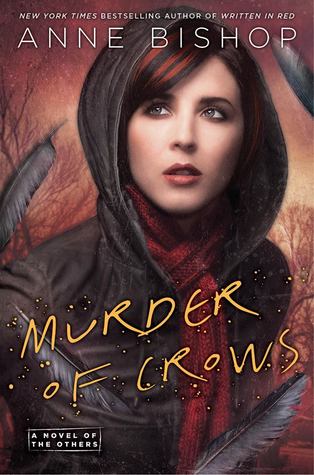
Rating: 4 stars
Sarah Lin hates Patrick Chevalier. She hates his golden good looks, his charming manner, the way he seems to be able to create magic with his bare hands and does absolutely everything flawlessly, without seeming to expend even the slightest bit of effort. She hates him because every time he brushes past her, or winks at her, or jokingly flirts with her, her heart beats faster and she has trouble breathing. He is her boss, and he is godlike, and he would never even look twice at a lowly little intern who never seems to be able to do anything right.
Patrick Chevalier is madly in love with Sarah Lin, the intern in the world-famous French restaurant where they work. He is the second in command in the kitchen, he is her boss, and he knows that it is grossly inappropriate for him to even consider seducing her while she's under his tutelage. But she claims that she's going to go back to California once her internship is over in little over a month, and he might go insane if he doesn't get a chance to show her how she feels. His entire life, he has learned to keep his true hopes and dream deeply hidden, so they can't be snatched away from him. He's come to the conclusion that he has to use his wit and charm and skill to manipulate those around him to reach his goals. When Sarah in an unguarded moment lets it slip that she hates him, he's determined to turn that hate to love, just as he can turn sugar and chocolate into edible treasures.
Sarah's mother fled from North Korea and found a new life in the USA because she got pregnant and Sarah was born there. Becoming an engineer at Caltech to make her mother proud, Sarah feels as if she's let her entire family down when she gave up her high paying job as an engineer to pursue her dream to study as a pastry chef in Paris. Five months into her internship, she's wondering if she made a huge mistake. She can barely afford to pay the rent, she works until she drops, and all around her, the others in the kitchen create marvels while she feels she's a constant failure. The only woman in the whole kitchen, she struggles to keep up with the intense work, and spending so much time around a gorgeous man she's convinced could have any woman he turned his attention to, she's decided that the only way to guard her heart is by hating him intensely.
Patrick may be incredibly successful for his young age, although he never really wanted to become a chef, but an engineer. His messed-up mother made sure to crush any dream he ever had, and when he was apprenticed to up and coming Luc Leroi, one of his foster brothers, he made the best of it, using his inventiveness and intellect to excel in the kitchen. Even though no one understands why he's still content being Luc's second, when he could go off and get a brilliant career in a restaurant of his own, he knows that he is needed, and can't bring himself to leave. He also knows that he mustn't harass his pretty intern, but can't help from watching over her, trying to shield her from the hardest jobs in the kitchen, surreptitiously feeding her and making sure that he is the one who most often teaches her new techniques. He knows that she is clever and driven and just as perfectionistic as Luc, but he can't resist his protective urges. He believes himself to be sneaky, devious and ruthless and the way in which he tricks Sarah into inviting him in after a night out after work is certainly not entirely chivalrous, but while he has decided alpha male qualities (as do all of Florand's heroes), he never forces Sarah to do anything she doesn't really very much want to do.
Sarah needs to decide whether she actually wants to follow her dream to be a pastry chef and accept that she may not be a failure just because she can't keep up with insanely driven craftsmen who are at the top of their field. She comes to realise that while her birth gave her mother and sister a safe home in America, she doesn't have to live her entire life to fulfil some sort of imagined standard of perfection to prove herself worthy to them. Patrick has clearly been burned so many times growing up, and has turned the very bitter lemons of his cruddy upbringing into some fairly awesome lemonade. Yet he's desperately worried about losing Sarah once he gets his chance with her, and of all the dreams he has ever dared nurture, a relationship with her is the one that he daren't even hope he might achieve.
Compared to some of the deep emotional issues of Florand's earlier couples, Sarah and Patrick's troubles seemed a bit more low key, and it was a relief after the last two, with some very messed up protagonists and drama to work through. Parts of this book overlaps with Florand's previous book in the series, The Chocolate Heart, but I suspect it works fine on its own as well. Florand has played around with fairy tale and mythology elements in previous novels, with influences from Rapunzel, Beauty and the Beast and the myth of Hades and Persephone. In this book, there are hints of Cinderella, but while Patrick may be a prince (his surname is even Chevalier - knight), Sarah is much more than the girl who loses her shoe and heart at the ball. The author's note at the end of the book and her blog suggests that this may be the last in her Amour et Chocolat series (apparently Luc's book was supposed to be the final one, but Patrick kept stealing scenes so she had to write his story too), but she has more books planned, set in the south of France, so I suspect I will still have her delectable writing to look forward to for a while yet.
Crossposted on Cannonball Read.
Friday, 24 January 2014
#CBR6 Book 6: "The Chocolate Heart" by Laura Florand
Page count: 320 pages
Rating: 3.5 stars
Disclaimer! I was granted an ARC of this book by Kensington Books via Netgalley in return for a fair and honest review.
Summer Corey hates Paris. It's a city where she was frequently abandoned to be raised by ever changing nannies while her parents were globe trotting or negotiating international business deals, and it's where she felt miserable, alone and outcast in boarding school from the age of thirteen. Having been forced back from her self-imposed exile, teaching on a small Pacific island, because her father has bought her a five star hotel as a Christmas present, Summer knows that everyone is only waiting to see what the spoiled and vacuous billionaire heiress will do to end up in the tabloids now.
Of course, mistaking the internationally acclaimed chef of the hotel's restaurant, Luc Leroi, for a hotel bellboy, and propositioning him rather bluntly is not getting her off to a good start. Luc, having worked his way up from begging in the Paris metro with his gypsy father to becoming the media darling and culinary superstar of French pastry, is appalled when Summer literally falls into his arms and proceeds to offer him a yacht, before passing out exhausted as soon as he gets her to her hotel room. He plans to seduce her with the most delectable desserts, only to discover that Summer Corey, through a series of very negative associations with sweet things, never eats them.
Summer needs to stay three rainy winter months in Paris, pretending to manage a hotel, so her father will donate a satellite to the islands she longs to return to, improving their communication with the outside world immensely. Luc is determined to win her over, and proceeds to outdo himself again and again with breathtaking culinary creations that Summer continues to reject. The entire hotel watches in fascination, wondering who will crack first, the stunning heiress or the perfectionist chef.
As I have mentioned in my previous reviews of her books, Florand writes to a formula. These books have extremely temperamental, arrogant and brilliant French chefs, who nonetheless are deeply emotionally vulnerable. They all seem to fall for women who are at least partly American, with emotional issues of their own. The men try to seduce the women using culinary arts, usually involving seemingly unreal creations made of chocolate, and after a lot of back and forth where they battle their insecurities, they find their HEA.
Florand works really hard to make the readers feel sympathy with Summer, and make us realise why she has very legitimate reasons for hating Paris, and having behaved like a spoiled and outrageous brat for much of her life. To say that she has enormous daddy issues is an understatement, and she seems to think that the way to punish her parents is by throwing everything like self respect out the window and use her body to manipulate men as best she can, preferably to provoke her father as much as possible. It doesn't help that he literally blackmails her in an attempt to give up her dreams, and never really seems to compliment her for anything. But the fact remains, she's insanely wealthy and because of her upbringing, quite sheltered to the issues that less obscenely rich people have to go through, and in my opinion, it takes far too long for her to realise that her behaviour towards Luc at the start of the book is wildly inappropriate and offensive to boot.
While I normally really enjoy these romances, there was something about this book that didn't grab me as much. Whether it was the fact that Luc was so intensely controlled and refused to relinquish said control for the longest time, or it was just that it took me more than half the book to warm up to Summer as a truly sympathetic heroine, I'm not sure. All I know is that I didn't enjoy this book quite as much as Florand's earlier works. It's by no means bad, though, but I'm not going to add it to my own library until I find it for sale. The next book features Luc's second in command/foster brother as the hero, and as he is wonderful in this book, I'm looking forward to his story.
Crossposted on Cannonball Read.
Rating: 3.5 stars
Disclaimer! I was granted an ARC of this book by Kensington Books via Netgalley in return for a fair and honest review.
Summer Corey hates Paris. It's a city where she was frequently abandoned to be raised by ever changing nannies while her parents were globe trotting or negotiating international business deals, and it's where she felt miserable, alone and outcast in boarding school from the age of thirteen. Having been forced back from her self-imposed exile, teaching on a small Pacific island, because her father has bought her a five star hotel as a Christmas present, Summer knows that everyone is only waiting to see what the spoiled and vacuous billionaire heiress will do to end up in the tabloids now.
Of course, mistaking the internationally acclaimed chef of the hotel's restaurant, Luc Leroi, for a hotel bellboy, and propositioning him rather bluntly is not getting her off to a good start. Luc, having worked his way up from begging in the Paris metro with his gypsy father to becoming the media darling and culinary superstar of French pastry, is appalled when Summer literally falls into his arms and proceeds to offer him a yacht, before passing out exhausted as soon as he gets her to her hotel room. He plans to seduce her with the most delectable desserts, only to discover that Summer Corey, through a series of very negative associations with sweet things, never eats them.
Summer needs to stay three rainy winter months in Paris, pretending to manage a hotel, so her father will donate a satellite to the islands she longs to return to, improving their communication with the outside world immensely. Luc is determined to win her over, and proceeds to outdo himself again and again with breathtaking culinary creations that Summer continues to reject. The entire hotel watches in fascination, wondering who will crack first, the stunning heiress or the perfectionist chef.
As I have mentioned in my previous reviews of her books, Florand writes to a formula. These books have extremely temperamental, arrogant and brilliant French chefs, who nonetheless are deeply emotionally vulnerable. They all seem to fall for women who are at least partly American, with emotional issues of their own. The men try to seduce the women using culinary arts, usually involving seemingly unreal creations made of chocolate, and after a lot of back and forth where they battle their insecurities, they find their HEA.
Florand works really hard to make the readers feel sympathy with Summer, and make us realise why she has very legitimate reasons for hating Paris, and having behaved like a spoiled and outrageous brat for much of her life. To say that she has enormous daddy issues is an understatement, and she seems to think that the way to punish her parents is by throwing everything like self respect out the window and use her body to manipulate men as best she can, preferably to provoke her father as much as possible. It doesn't help that he literally blackmails her in an attempt to give up her dreams, and never really seems to compliment her for anything. But the fact remains, she's insanely wealthy and because of her upbringing, quite sheltered to the issues that less obscenely rich people have to go through, and in my opinion, it takes far too long for her to realise that her behaviour towards Luc at the start of the book is wildly inappropriate and offensive to boot.
While I normally really enjoy these romances, there was something about this book that didn't grab me as much. Whether it was the fact that Luc was so intensely controlled and refused to relinquish said control for the longest time, or it was just that it took me more than half the book to warm up to Summer as a truly sympathetic heroine, I'm not sure. All I know is that I didn't enjoy this book quite as much as Florand's earlier works. It's by no means bad, though, but I'm not going to add it to my own library until I find it for sale. The next book features Luc's second in command/foster brother as the hero, and as he is wonderful in this book, I'm looking forward to his story.
Crossposted on Cannonball Read.
#CBR6 Book 5: "Archangel's Legion" by Nalini Singh
Page count: 384 pages
Rating: 3 stars
This is book 6 in the series, and as such, not the best place to start reading. If you're really interested in the series, start at the beginning with Angels' Blood.
During a terrifying five minute time period, birds and angels start plummeting from the sky, leaving almost half of the archangel Raphael's forces incapacitated. Shortly after, his consort, the Guild Hunter Elena, discovers a mysterious and highly infectious disease that impossibly enough only targets vampires. All over the world, other archangels are developing new and terrifying powers that could be used for further warfare, while Raphael so far seems only to be developing healing abilities. Is it his relationship with Elena that's keeping him from becoming more powerful?
Elena and Raphael have to discover which of the other archangel or angels are causing the attacks, and figure out a way to stop them before New York is lost.
As well as dealing with the external threats to her and Raphael's home city, Elena is trying to force her father to accept that her younger half-sister Eve is also hunter born (basically driven by an urge to fight supernatural creatures and track down vampires), and let her have the proper training. Her father is threatening to have the girl sent away to Europe to keep her safe, and in their heated arguments, Elena discovers secrets about her family she never suspected. She's also trying to figure out how to properly be the consort to an archangel, while many of the archangels consider her a mere plaything for Raphael.
I very much enjoyed the early books in this series, while some of the later ones, which have focused on members of Raphael's Seven, his core advisers and lieutenants. In this, the focus is wholly back on Elena, the vampire hunter turned angel and her immortal and immensely powerful archangel. There are a lot of tensions, and war seems inevitable. There are various interesting developments over the course of the book, suggesting changes to come. I'll probably keep reading the series, but I'm no longer waiting impatiently for each new release.
Crossposted on Cannonball Read.
Rating: 3 stars
This is book 6 in the series, and as such, not the best place to start reading. If you're really interested in the series, start at the beginning with Angels' Blood.
During a terrifying five minute time period, birds and angels start plummeting from the sky, leaving almost half of the archangel Raphael's forces incapacitated. Shortly after, his consort, the Guild Hunter Elena, discovers a mysterious and highly infectious disease that impossibly enough only targets vampires. All over the world, other archangels are developing new and terrifying powers that could be used for further warfare, while Raphael so far seems only to be developing healing abilities. Is it his relationship with Elena that's keeping him from becoming more powerful?
Elena and Raphael have to discover which of the other archangel or angels are causing the attacks, and figure out a way to stop them before New York is lost.
As well as dealing with the external threats to her and Raphael's home city, Elena is trying to force her father to accept that her younger half-sister Eve is also hunter born (basically driven by an urge to fight supernatural creatures and track down vampires), and let her have the proper training. Her father is threatening to have the girl sent away to Europe to keep her safe, and in their heated arguments, Elena discovers secrets about her family she never suspected. She's also trying to figure out how to properly be the consort to an archangel, while many of the archangels consider her a mere plaything for Raphael.
I very much enjoyed the early books in this series, while some of the later ones, which have focused on members of Raphael's Seven, his core advisers and lieutenants. In this, the focus is wholly back on Elena, the vampire hunter turned angel and her immortal and immensely powerful archangel. There are a lot of tensions, and war seems inevitable. There are various interesting developments over the course of the book, suggesting changes to come. I'll probably keep reading the series, but I'm no longer waiting impatiently for each new release.
Crossposted on Cannonball Read.
#CBR6 Book 4: "The Twistrose Key" by Tone Almhjell
Page count: 358 pages
Rating: 4 stars
Eleven-year-old Lindelin "Lin" Rosenquist is mourning the death of her pet vole, Rufus, and miserable in her new home away from her best friend and childhood haunts. One dark evening, she receives a mysterious package labelled "Twistrose" with a rose-shaped key inside. She discovers that the key unlocks a strange portal in the cellar under the house, and the portal leads to the magical kingdom of Sylver, entirely populated by animals with some kind of special bond to children on Earth. The petlings are deceased pets, and the Wilders are ones that were tamed, and in Sylver they have ways of watching over their beloved friends.
Lin is overjoyed to discover that not only is she reunited with Rufus, but he is now nearly as big as she is, and can talk to her. Lin soon discovers that in times of great need for Sylver, children who can help the eternally snow-covered kingdom are called. These children are called Twistroses, and Lin is the latest of them. She needs to find the missing Winterfyrst quickly, before the sinister and mysterious Margrave and his army of snow trolls take over the kingdom, and make it impossible for Lin to ever return home to her family.
While Scandinavian authors seem to be the big thing in the mystery genre nowadays, they're not really known in the fantasy genre, certainly not internationally. Yet Tone Almhjell, with her Masters' degree in English literature, got a profitable book deal from a subdivision of Penguin for her debut novel before it was even published in Norwegian. That the book was also favourable reviewed in a lot of places after its release made me curious, and the beautiful cover made me determined to own the book. While she apparently began writing the book in English, she wrote the majority of it in English once she secured the international book deal, and proceeded to translate the English manuscript back to Norwegian with her sister for a later Norwegian release. As the Norwegian version has a waiting list of about six months, I ended up buying the English version from Amazon.
There are clear influences from a lot of other fantasy series here, the most obvious ones probably being The Chronicles of Narnia, The Wind in the Willows and His Dark Materials. Lin is a plucky, brave and clever protagonist initially staggered by the seriousness of her task. Yet she doesn't back down from her challenge and with the help of the sometimes less than helpful Rufus, she starts to investigate the disappearance of young Isvan Winterfyrst.
The book is clearly written to hold the attention of a young audience. There is a lot of action, suspense and many many cliff hangers, making sure you are rarely bored. There are mysterious allies, and dastardly villains and a convoluted plot that needs to be foiled. While I though the inclusion of many traditional Norwegian elements was very cute, I'm not sure they'd be obvious to non-Norwegian readers, as they might just seem like fantasy ideas to add to the verisimilitude of the fantasy world building. At the beginning of each chapter, there are also lovely illustrations, by Jan Schoenherr, adding to
I saw a couple of reviews on Goodreads complaining that the author's English isn't up to scratch. I'm an English teacher, and read pretty much exclusively English books, and while there was the occasional turn of phrase that read as very Norwegian to me, I think Almhjell's editors have done a good job, and if I hadn't known that the author is a Norwegian, I would just have thought she was taking poetic licence with the language. I'm not sure if Almhjell is planning to turn this into a longer series, but this book is self-contained, and made me interested in checking out more Norwegian fantasy.
Crossposted on Cannonball Read.
Rating: 4 stars
Eleven-year-old Lindelin "Lin" Rosenquist is mourning the death of her pet vole, Rufus, and miserable in her new home away from her best friend and childhood haunts. One dark evening, she receives a mysterious package labelled "Twistrose" with a rose-shaped key inside. She discovers that the key unlocks a strange portal in the cellar under the house, and the portal leads to the magical kingdom of Sylver, entirely populated by animals with some kind of special bond to children on Earth. The petlings are deceased pets, and the Wilders are ones that were tamed, and in Sylver they have ways of watching over their beloved friends.
Lin is overjoyed to discover that not only is she reunited with Rufus, but he is now nearly as big as she is, and can talk to her. Lin soon discovers that in times of great need for Sylver, children who can help the eternally snow-covered kingdom are called. These children are called Twistroses, and Lin is the latest of them. She needs to find the missing Winterfyrst quickly, before the sinister and mysterious Margrave and his army of snow trolls take over the kingdom, and make it impossible for Lin to ever return home to her family.
While Scandinavian authors seem to be the big thing in the mystery genre nowadays, they're not really known in the fantasy genre, certainly not internationally. Yet Tone Almhjell, with her Masters' degree in English literature, got a profitable book deal from a subdivision of Penguin for her debut novel before it was even published in Norwegian. That the book was also favourable reviewed in a lot of places after its release made me curious, and the beautiful cover made me determined to own the book. While she apparently began writing the book in English, she wrote the majority of it in English once she secured the international book deal, and proceeded to translate the English manuscript back to Norwegian with her sister for a later Norwegian release. As the Norwegian version has a waiting list of about six months, I ended up buying the English version from Amazon.
There are clear influences from a lot of other fantasy series here, the most obvious ones probably being The Chronicles of Narnia, The Wind in the Willows and His Dark Materials. Lin is a plucky, brave and clever protagonist initially staggered by the seriousness of her task. Yet she doesn't back down from her challenge and with the help of the sometimes less than helpful Rufus, she starts to investigate the disappearance of young Isvan Winterfyrst.
The book is clearly written to hold the attention of a young audience. There is a lot of action, suspense and many many cliff hangers, making sure you are rarely bored. There are mysterious allies, and dastardly villains and a convoluted plot that needs to be foiled. While I though the inclusion of many traditional Norwegian elements was very cute, I'm not sure they'd be obvious to non-Norwegian readers, as they might just seem like fantasy ideas to add to the verisimilitude of the fantasy world building. At the beginning of each chapter, there are also lovely illustrations, by Jan Schoenherr, adding to
I saw a couple of reviews on Goodreads complaining that the author's English isn't up to scratch. I'm an English teacher, and read pretty much exclusively English books, and while there was the occasional turn of phrase that read as very Norwegian to me, I think Almhjell's editors have done a good job, and if I hadn't known that the author is a Norwegian, I would just have thought she was taking poetic licence with the language. I'm not sure if Almhjell is planning to turn this into a longer series, but this book is self-contained, and made me interested in checking out more Norwegian fantasy.
Crossposted on Cannonball Read.
Friday, 17 January 2014
#CBR6 Book 2: "Svart Elfenben" (Black Ivory) by Arne Svingen
Page count: 183 pages
Rating: 3 stars
The book opens with a quote from Heart of Darkness, making the reader pretty aware that this is unlikely to be a cheerful story full of rainbows, bunnies and unicorns. Our unnamed narrator is a young Norwegian boy, not yet turned eighteen, on a rather impulsive journey to the Ivory Coast with his best friend, a former Liberian child soldier named Sam. Sam, who has lived in Norway for some years, has been told that his mother is still alive and the two boys are now trying to find her. It's revealed in brief, teasing flashbacks that they secured the money for the trip through rather shady and morally dubious means, and our narrator is on the whole, not entirely sure about how wise their course of action is.
Still, as a life-long foster care kid without any real parental figures of his own, he understands Sam's need to find his mother. He is fiercely loyal to his best friend, even if it means taking a very ill-advised journey into a foreign country ravaged by civil war. Within the first day there, they lose a large amount of money through the carelessness of our narrator, and things go from bad, to worse to really very dangerous and there is no way this is going to end well at all is there? rapidly. The narrator bought a copy of Heart of Darkness at the airport, and keeps reading and re-reading it throughout the ever more perilous journey. As well as discovering what a charmed life he has led in Norway, even without loving parents to raise him, our narrator also discovers that his best friend is a very different person in Africa than he was when they were hanging out on the streets of Oslo. Does he actually know Sam at all? Can you ever escape your past?
The book is a young adult book clearly written with boys in mind. It starts and continues at a breathtaking pace, constantly upping the danger and complications for our two young protagonists. Our narrator is never even named, and there is a very sparse gallery of supporting characters to keep track of, most of them described indirectly through words and actions. There are a lot of thorny issues dealt with in the book, not least how far is it reasonable to be expected to go in the name of friendship? Even for someone you love as a brother. It is a wild, fairly uncivilised and scary Africa depicted in the book, but a book set in a country ravaged by civil war, dealing with the issue of child soldiers would have been dreadful if it didn't show the ugly sides of such warfare. Even as the boys are dragged closer and closer to their seemingly inevitable doom, there are flashes of hope. Several of the characters are hopeful that the future of their countries will be improved, and the close friendship between the two is admirable, even as our narrator discovers that Sam might be a complete stranger to him.
This was one of the books I had to read for my Norwegian course this semester, and I doubt I would have picked it up if I hadn't had it assigned as part of my curriculum. It's good to see that even in immensely privileged Norway, there are authors who highlight the less pleasant issues in the world today, and try to make teenagers aware of it without preaching or getting sanctimonious. I have several pupils I suspect would like this book, and will recommend it to them.
Crossposted on Cannonball Read.
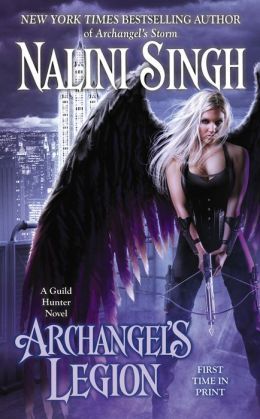
Rating: 3 stars
The book opens with a quote from Heart of Darkness, making the reader pretty aware that this is unlikely to be a cheerful story full of rainbows, bunnies and unicorns. Our unnamed narrator is a young Norwegian boy, not yet turned eighteen, on a rather impulsive journey to the Ivory Coast with his best friend, a former Liberian child soldier named Sam. Sam, who has lived in Norway for some years, has been told that his mother is still alive and the two boys are now trying to find her. It's revealed in brief, teasing flashbacks that they secured the money for the trip through rather shady and morally dubious means, and our narrator is on the whole, not entirely sure about how wise their course of action is.
Still, as a life-long foster care kid without any real parental figures of his own, he understands Sam's need to find his mother. He is fiercely loyal to his best friend, even if it means taking a very ill-advised journey into a foreign country ravaged by civil war. Within the first day there, they lose a large amount of money through the carelessness of our narrator, and things go from bad, to worse to really very dangerous and there is no way this is going to end well at all is there? rapidly. The narrator bought a copy of Heart of Darkness at the airport, and keeps reading and re-reading it throughout the ever more perilous journey. As well as discovering what a charmed life he has led in Norway, even without loving parents to raise him, our narrator also discovers that his best friend is a very different person in Africa than he was when they were hanging out on the streets of Oslo. Does he actually know Sam at all? Can you ever escape your past?
The book is a young adult book clearly written with boys in mind. It starts and continues at a breathtaking pace, constantly upping the danger and complications for our two young protagonists. Our narrator is never even named, and there is a very sparse gallery of supporting characters to keep track of, most of them described indirectly through words and actions. There are a lot of thorny issues dealt with in the book, not least how far is it reasonable to be expected to go in the name of friendship? Even for someone you love as a brother. It is a wild, fairly uncivilised and scary Africa depicted in the book, but a book set in a country ravaged by civil war, dealing with the issue of child soldiers would have been dreadful if it didn't show the ugly sides of such warfare. Even as the boys are dragged closer and closer to their seemingly inevitable doom, there are flashes of hope. Several of the characters are hopeful that the future of their countries will be improved, and the close friendship between the two is admirable, even as our narrator discovers that Sam might be a complete stranger to him.
This was one of the books I had to read for my Norwegian course this semester, and I doubt I would have picked it up if I hadn't had it assigned as part of my curriculum. It's good to see that even in immensely privileged Norway, there are authors who highlight the less pleasant issues in the world today, and try to make teenagers aware of it without preaching or getting sanctimonious. I have several pupils I suspect would like this book, and will recommend it to them.
Crossposted on Cannonball Read.
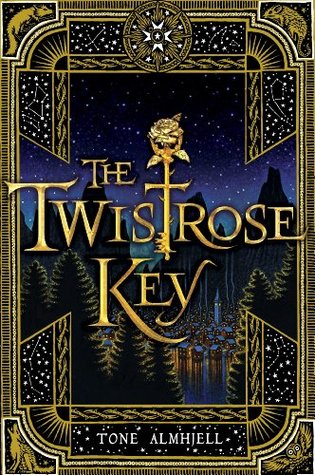
Thursday, 2 January 2014
Meet the Protagonist Reading Challenge 2014
Joanne over on Litlequeen rules is hosting the "Meet the Protagonist" Reading challenge.
What is a protagonist? The leading character or one of the major characters in a drama, movie, novel, or other fictional text.
The Protagonist Categories:
What is a protagonist? The leading character or one of the major characters in a drama, movie, novel, or other fictional text.
The Protagonist Categories:
- A woman who is a mother.
- A real life person who is written into a fictional story.
- A person that changes forms.
- A person who is from a country different than the one you currently live in.
- A person who lived before WW1.
- A person who lives by a body of water.
- A person younger than 18.
- A character that is in a book series.
The rules:
The challenge runs until the 31st of December 2014.
Read one book in each of the categories.
A book can only be used once.
You don't need to list your books ahead of time.
Crossover with other challenges is welcome.
Re-reads count. Audiobooks count. E-books count. Self-published books count. Short stories and essay collections are allowed, but only if all the stories are about the same person.
I can already see some of the categories overlapping with several of my other numerous reading challenges this year. I think it's going to be a fun one, and it's nice with a challenge that can be completed with reading less than ten books.
Subscribe to:
Posts (Atom)